



Sport builds the character, riding reveals it.
Horseback riding is unique in many ways. First of all, riding is the only discipline approved by the Olympic board within which male and female competitors compete in the same category. As one of the most difficult and most demanding sports, horseback riding is practiced by a limited number of people who truly are willing to endure challenges riding poses on body and mind.
Anyone wanting to compete has to take in count two important aspects:
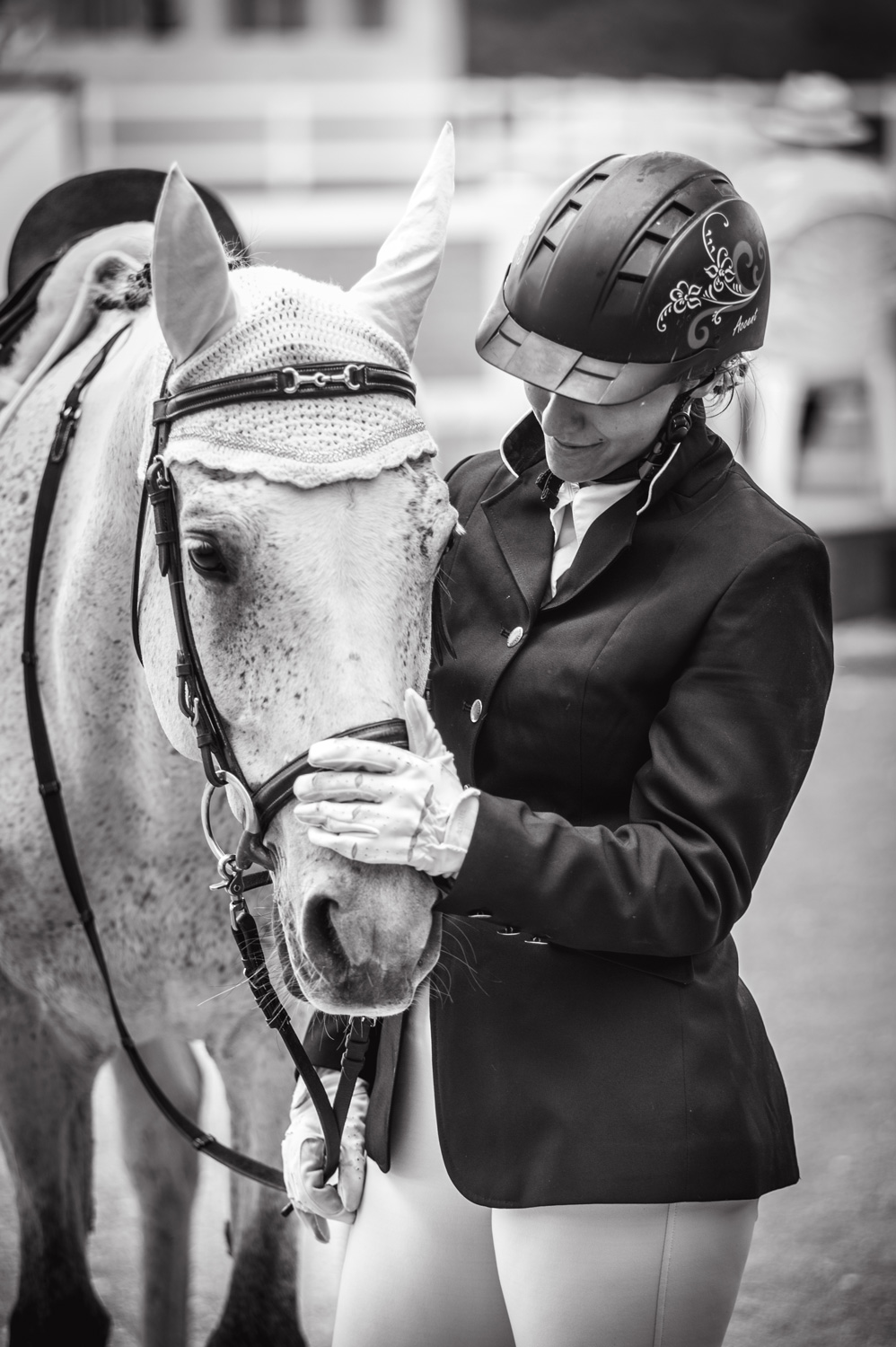
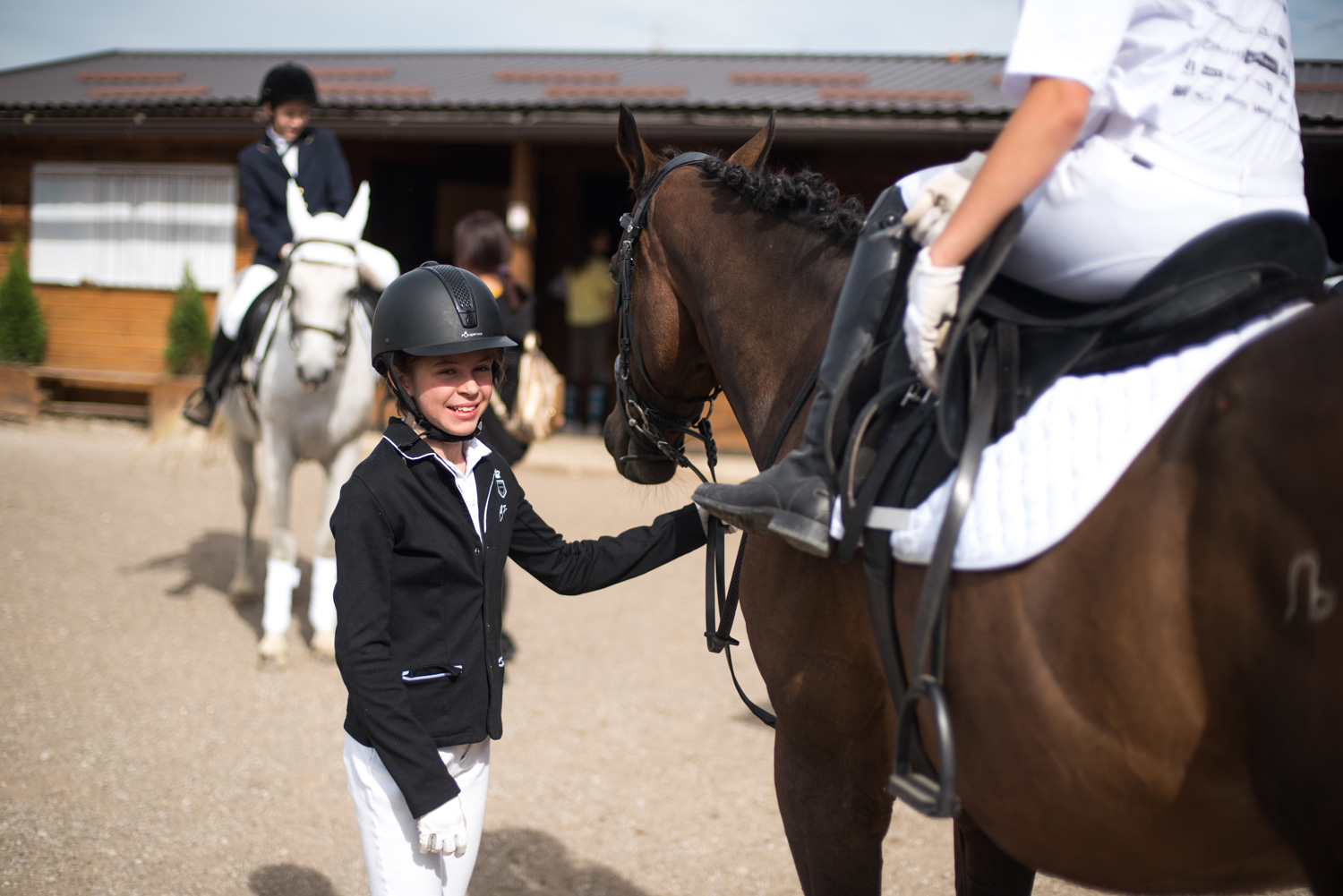
Sport trainings within discipline of horseback riding are long lasting, demanding and strenuous. The rider is expected to think of his own stamina, as well as the stamina of his horse. Furthermore, the rider is expected to take care of the horse’s hygiene and tack/equipment used for the trainings. In addition, the rider is expected to take care of all the needs of his horse- including warming-up the horse prior to training and cooling-down the horse after every training, trimming the horse in accordance to requirements of the training and massaging the horse to help him relax. The rider is expected to know his horse’s needs and thoughts at every moment, to love the horse enough, to ride regardless of the weather, to continuously improve and learn in order to be a better rider for their horse. Lastly, the rider should never allow himself to be consumed by his ego, placing it before the needs of their partner- their horse.
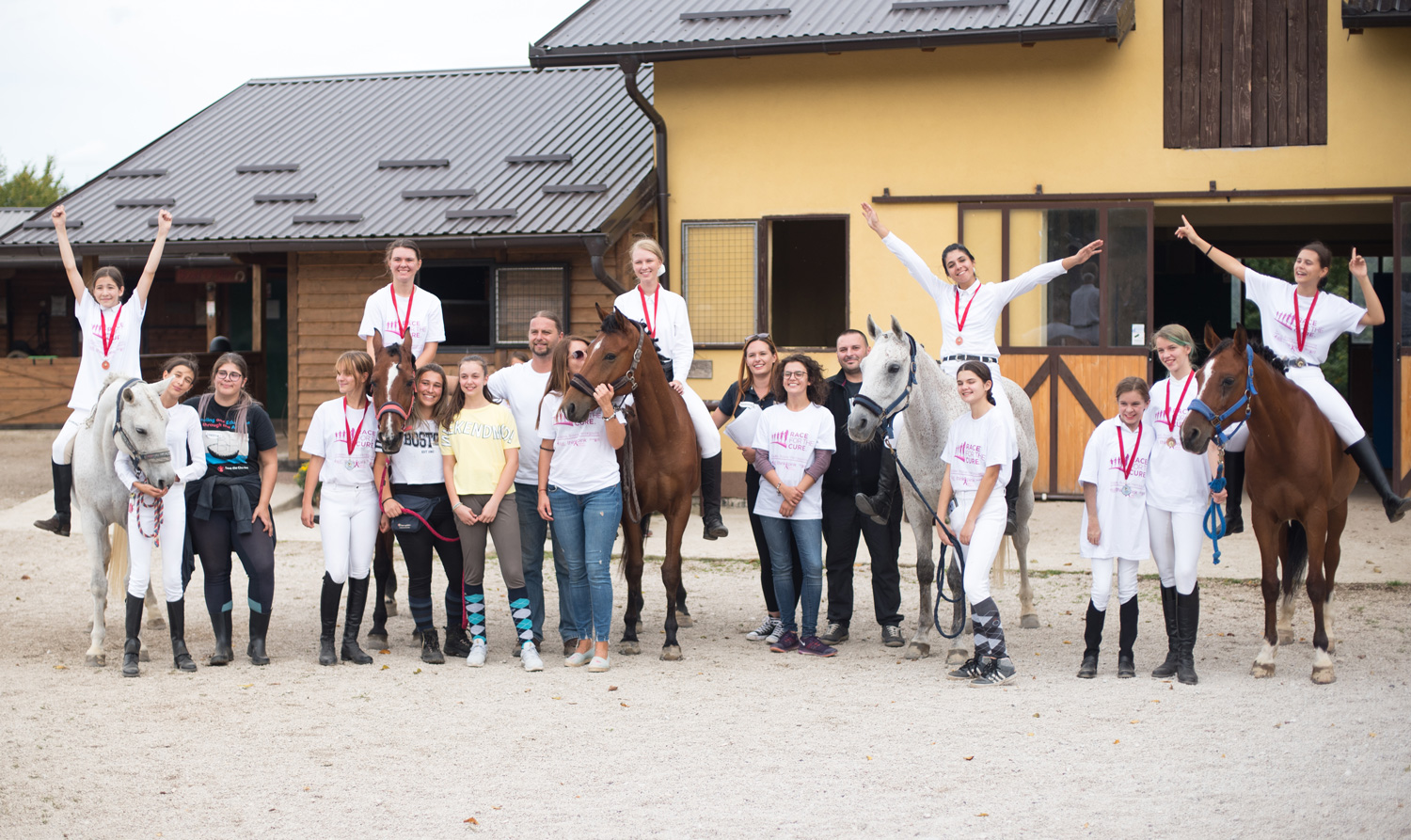
Only a small number of riders are ready to meet all of these requirements. This is why only a small number of riders form “riding school”/amateur riders make transition to KK Pegasos.
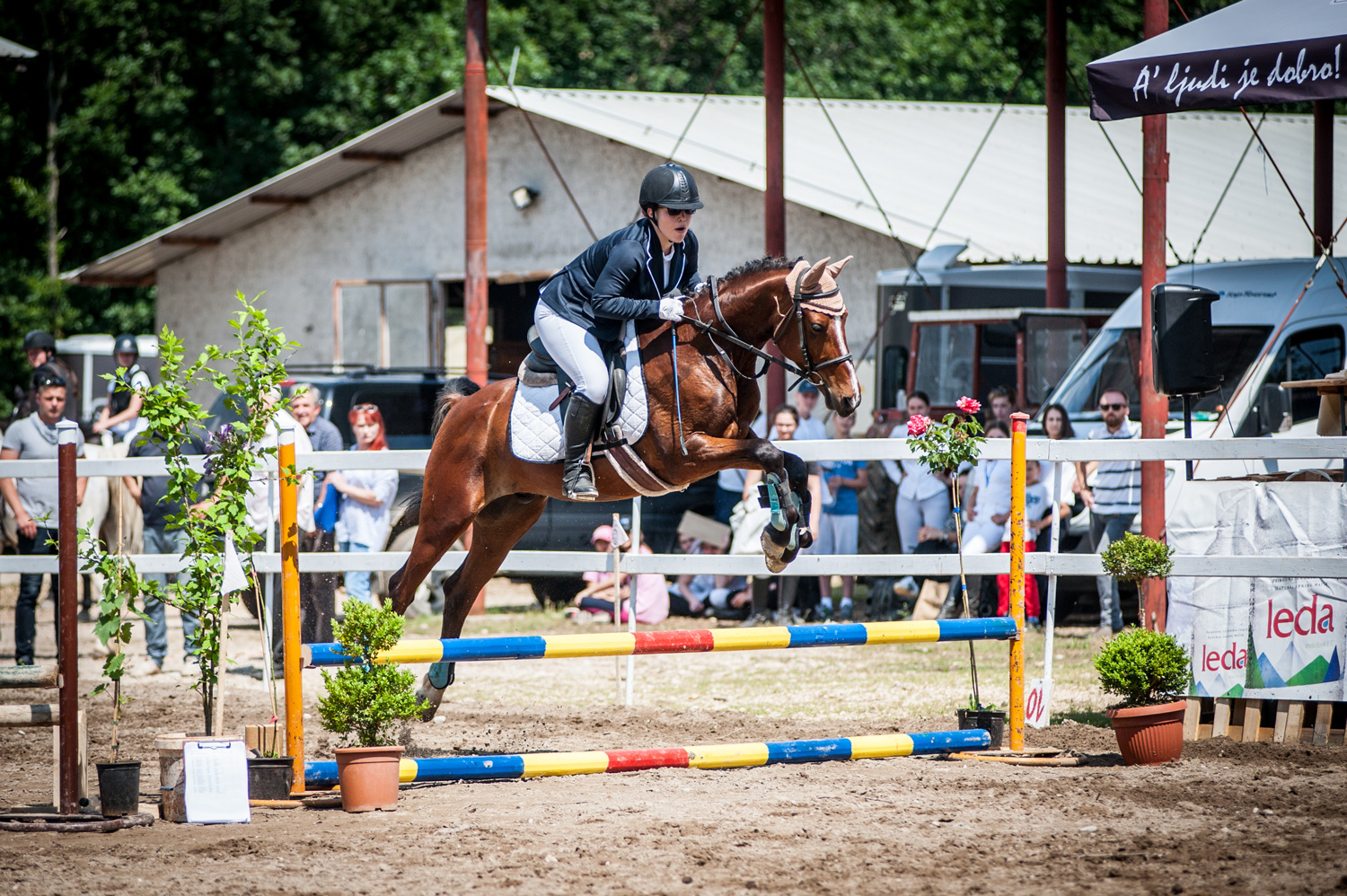
The riders who do, compete in three main disciplines: dressage, jumping and endurance riding.
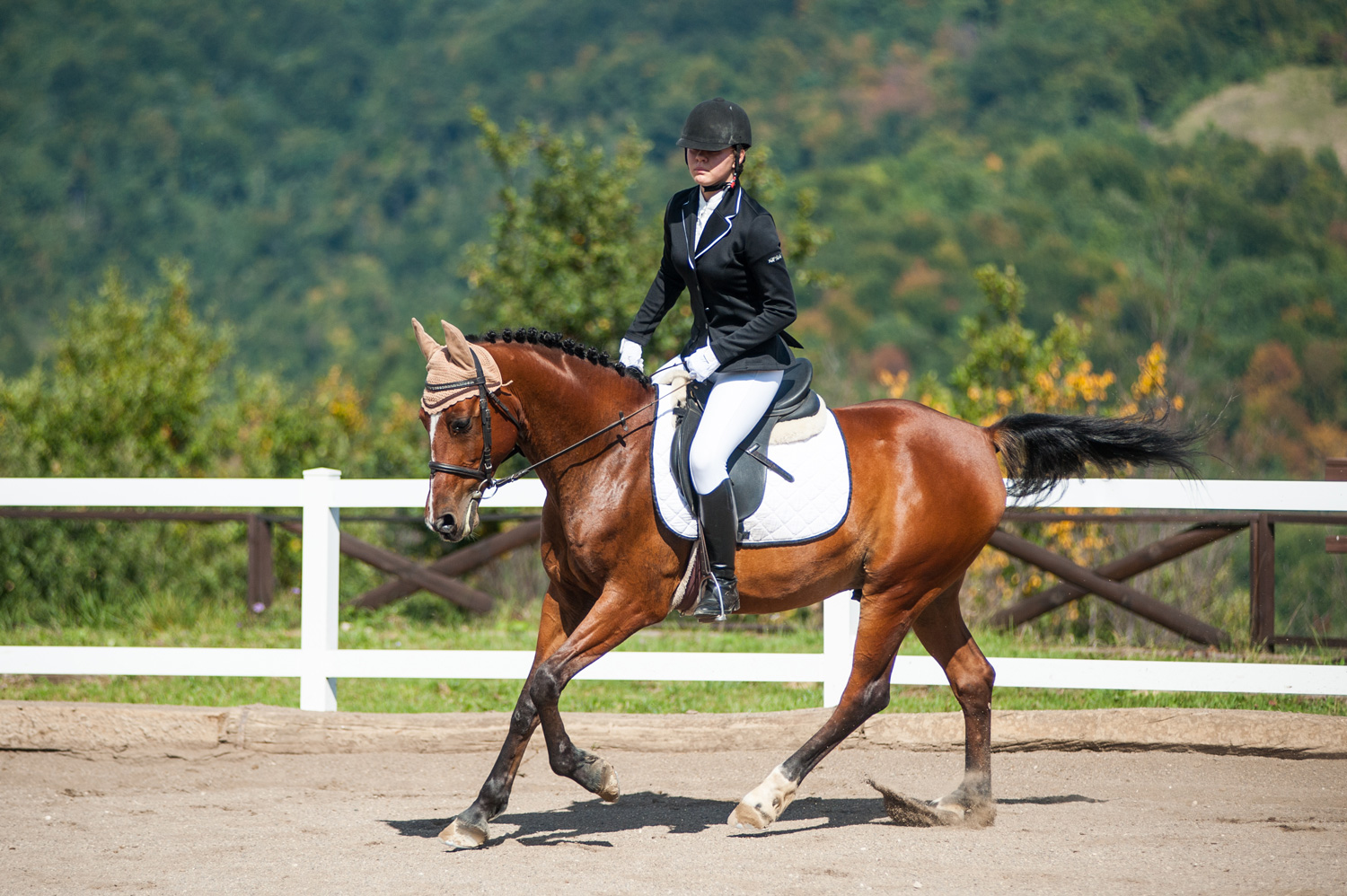
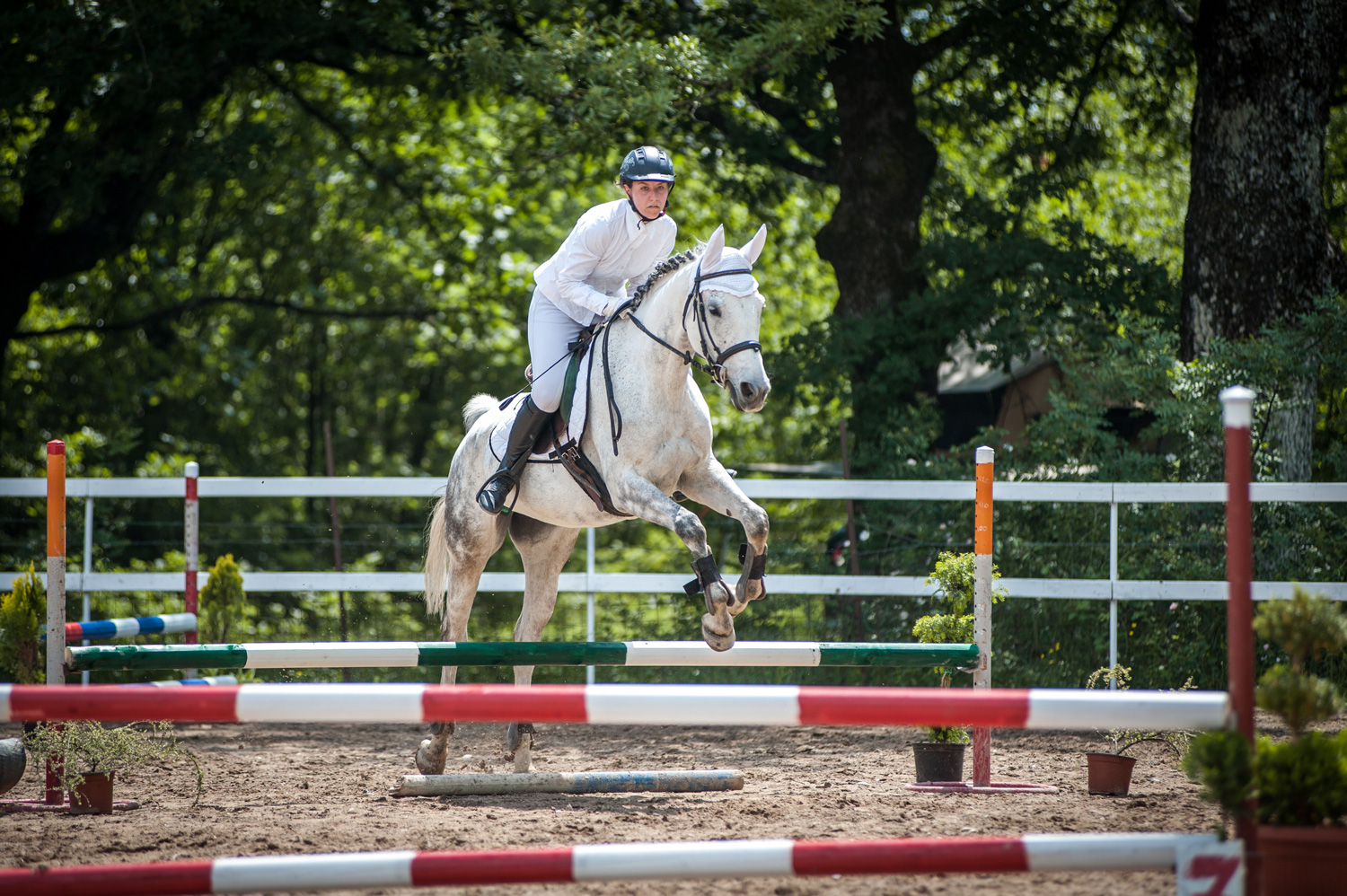
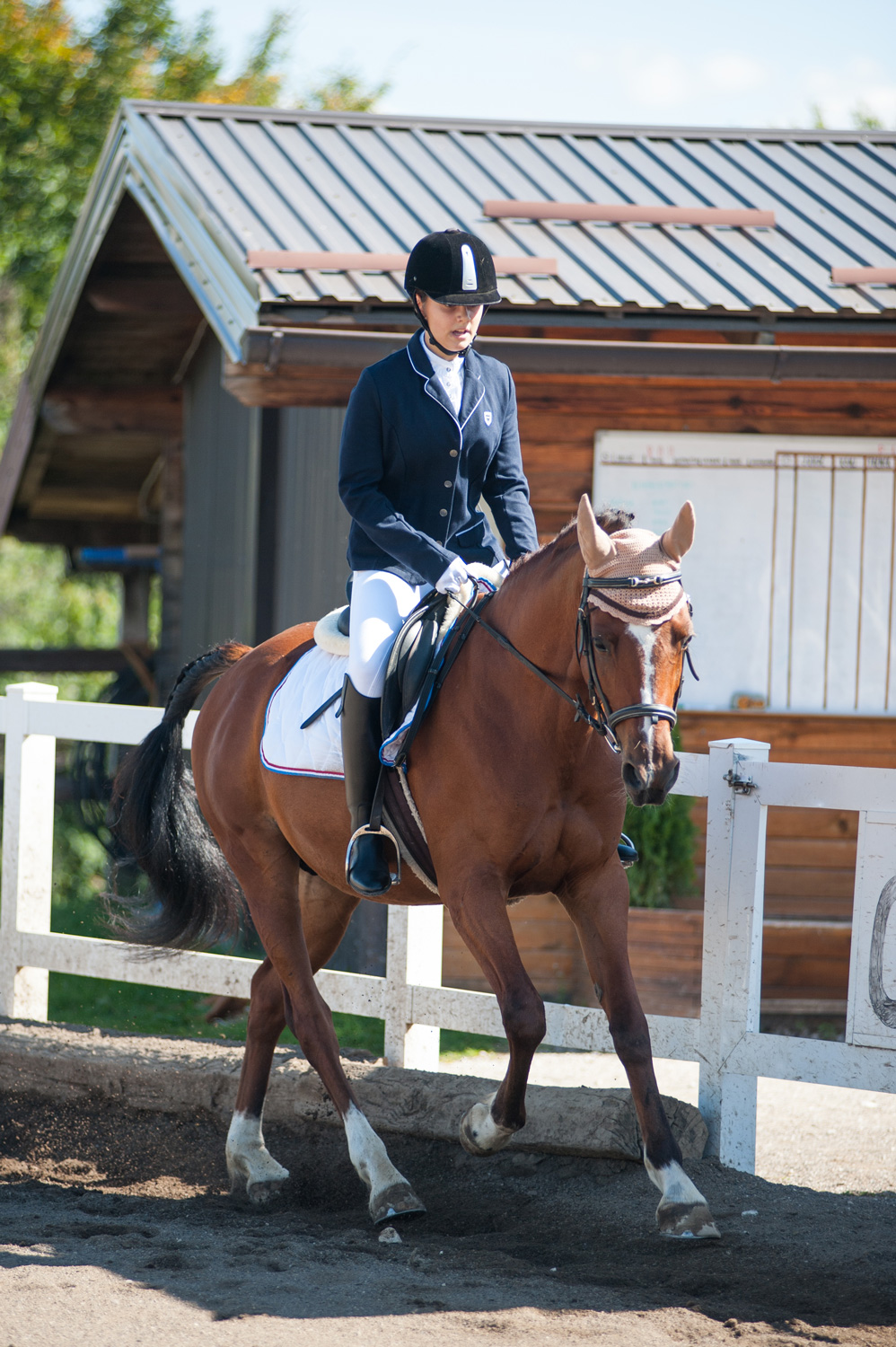
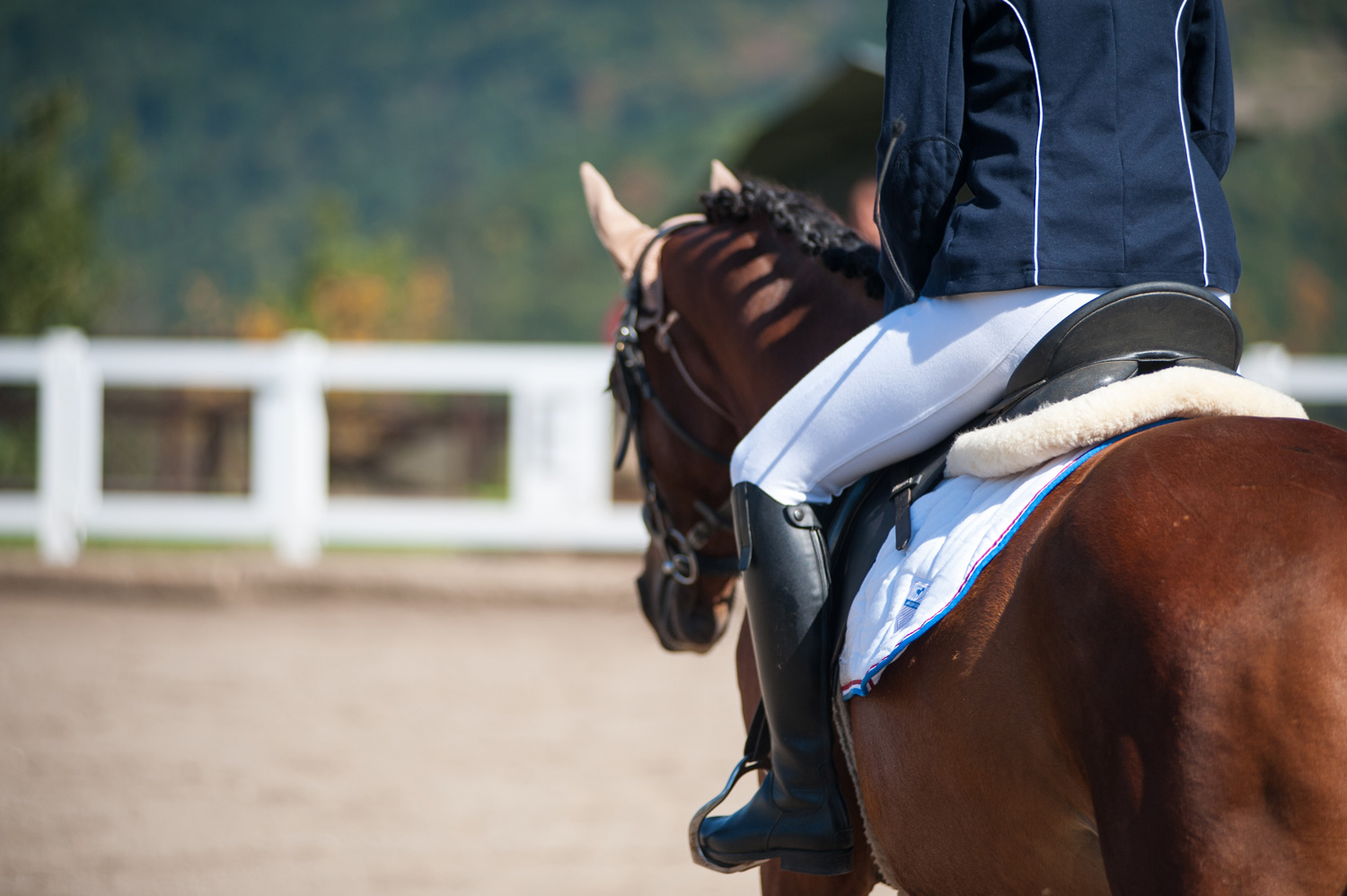
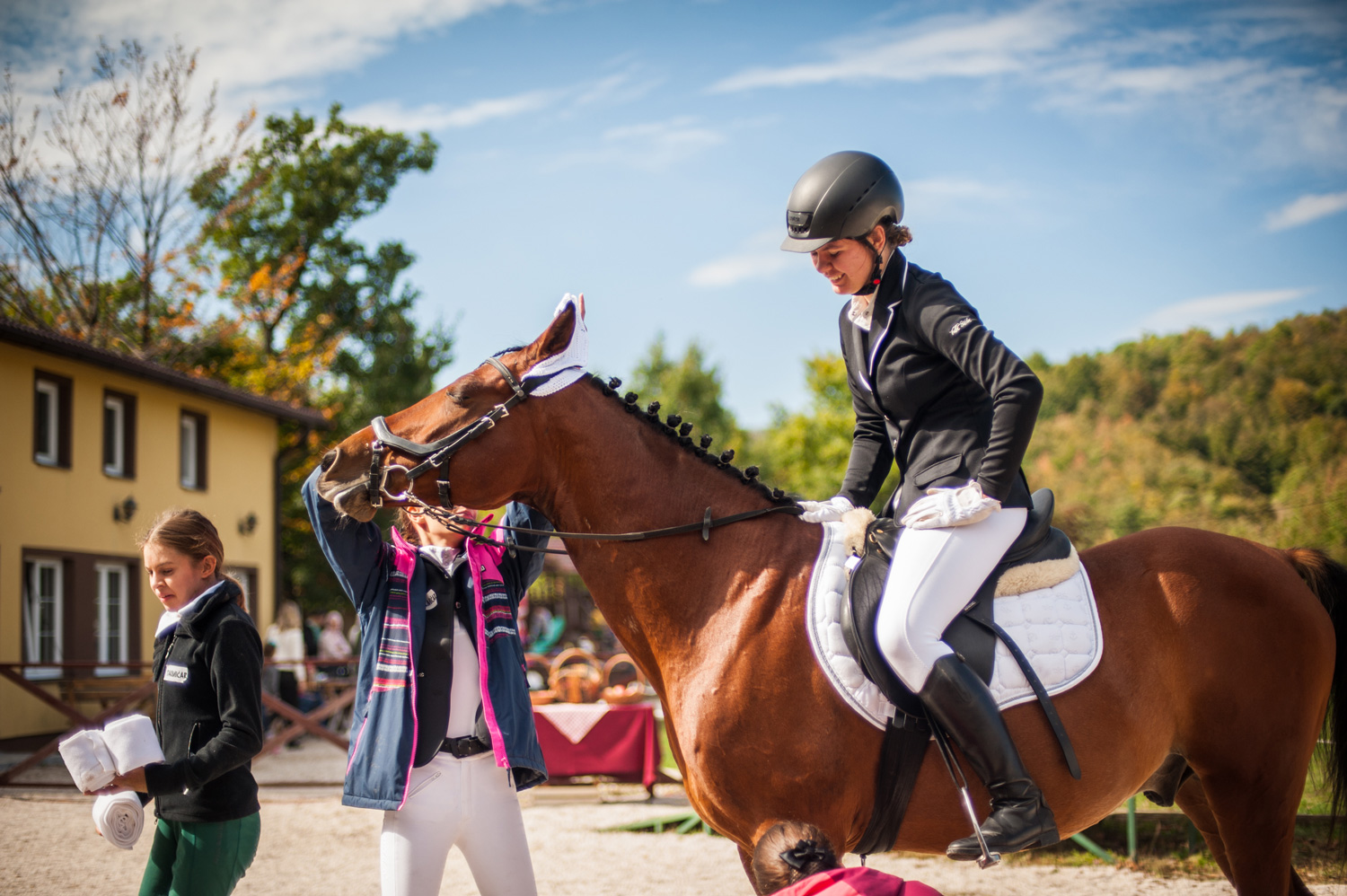
Dressage (meaning training) is considered to be the basic of all aspects and disciplines of horseback riding. Riders and their horses attempt to perfect their communication, and demonstrate this through a set of figures they complete within a given time during a competition.
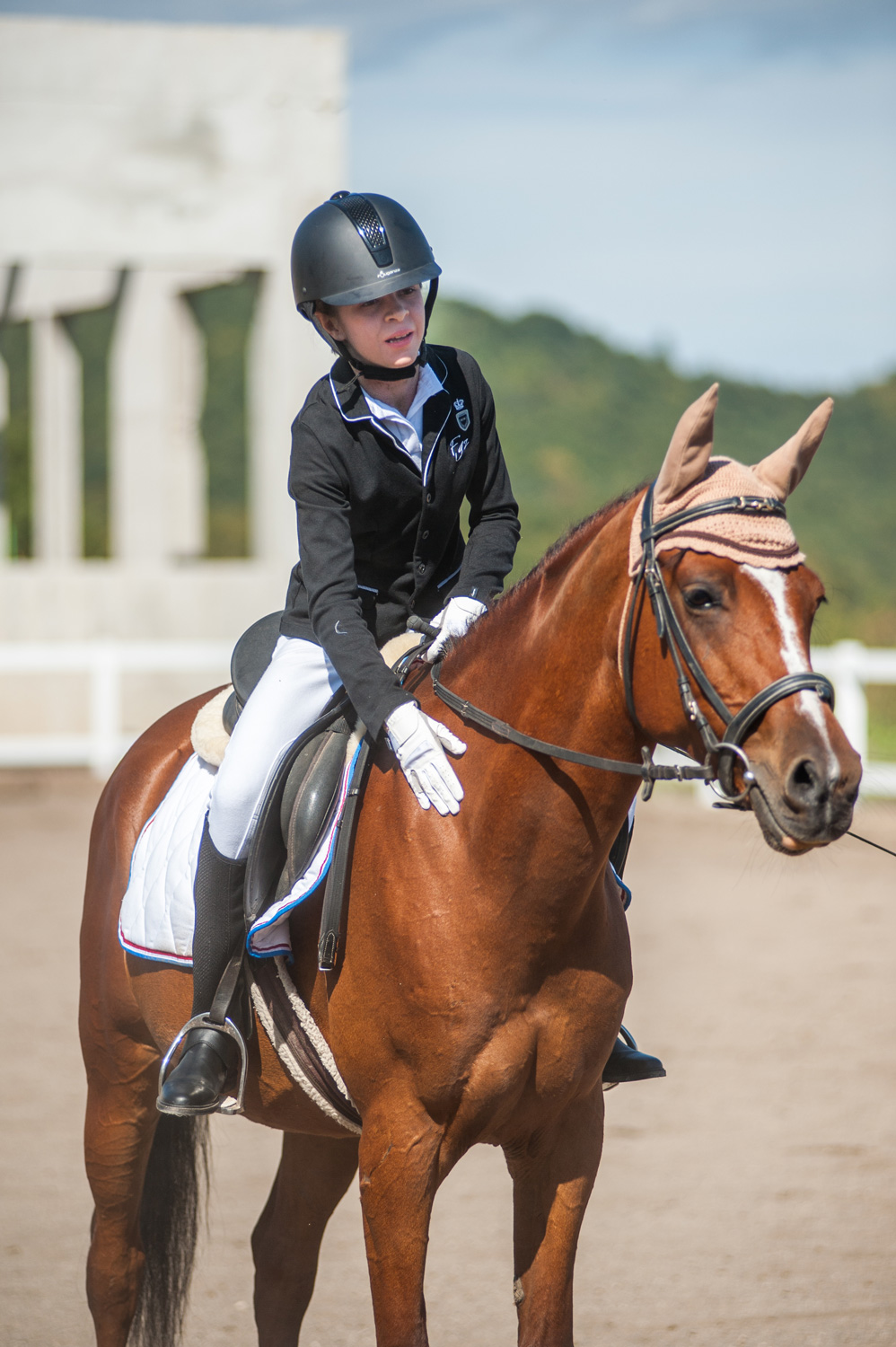
Majority of Pegasos riders are dressage competitors. This is primarily due to the nature of this discipline that allows several riders to compete on the same horse, but also due to the policy of the club, which requires each competitor to gain a passable score on each competition. This way, the Club ensures that each rider is well educated, regardless of their primary goals and competition disciplines.
Endurance riding consists of races of varying length (most frequently ranging from 20km to 180km). Talented and persistent Pegasos riders, under strict supervision of their trainers, prepare their horses for this discipline. Bearing in mind that during the race and during the trainings, the rider and the horse are on their own, wise riding is crucial to the success, as well as trust between the horse and the rider. Fatigue, exhaustion, varying weather conditions, adrenalin and the presence of other unfamiliar horses on the track, all are some of the primary reasons of numerous eliminations and traumas during the competition. Due to this, Pegasos competitors are required to generate a passable score during the dressage competitions. Furthermore, competitors are primarily required to finish the race without being eliminated. The placement on the competition comes after that.